
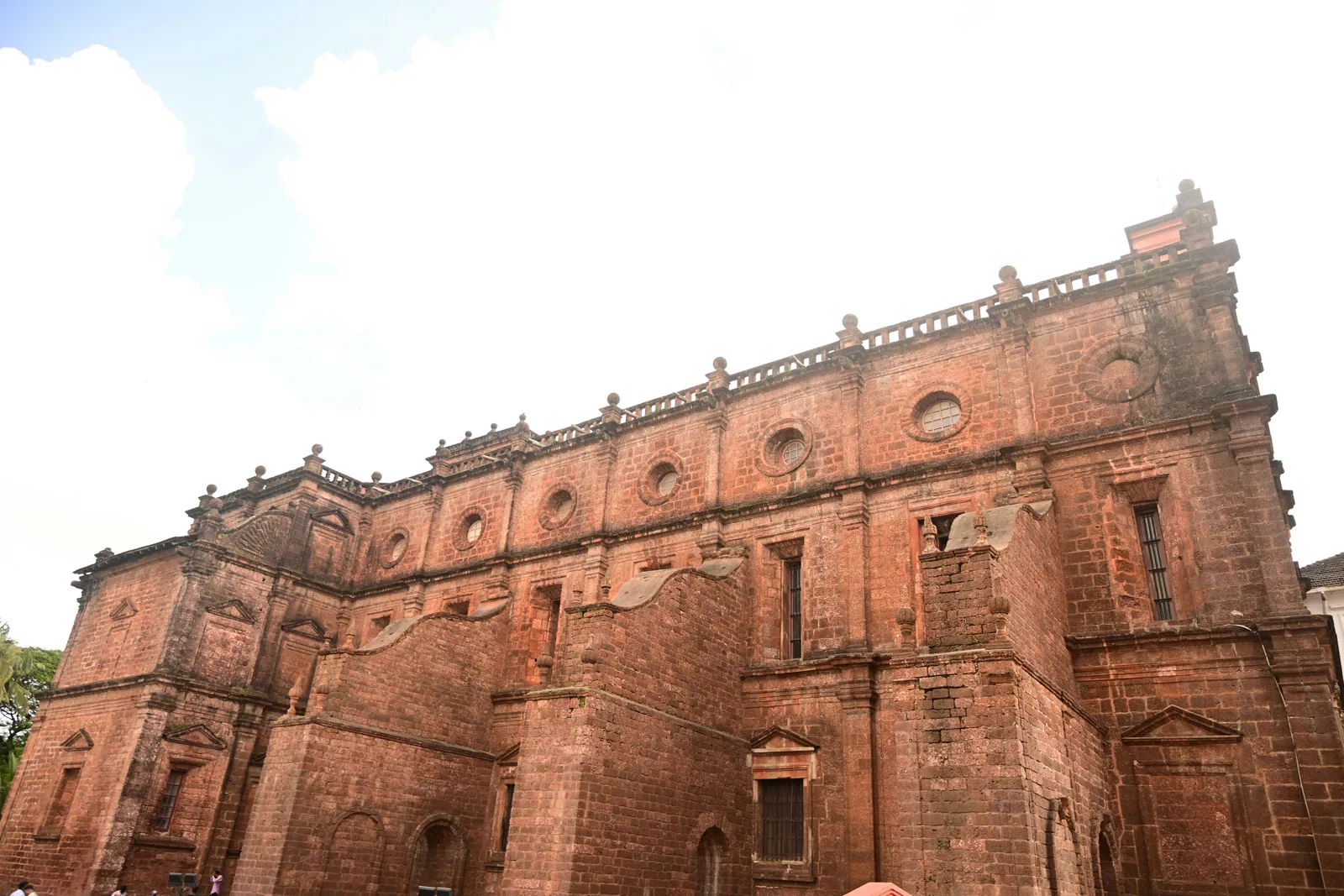
Church Roofing in Sherman, TX
Church and house of worship roofing in Sherman, TX: steeple and valley flashing, sanctuary moisture control and repairs timed around services.
A church roof is built from joints. Steeples meet roofs. Naves meet transepts. Valleys collect water from two planes at once. Every joint is a place where two materials move at different rates. Heat swells metal. Cold shrinks it. In Sherman, TX the thermometer has touched 113 F and -3 F, and every swing works the flashing at every joint.
So we inspect the joints first. We look at the steeple base, the valley metal, the ridge cap and the wall flashing. We probe sealant with a tool and look for gaps. We scan flat sections for moisture. Then we explain what we found, in plain terms, to the pastor, the trustees or the building committee. They decide with real information in hand, not guesses.
Read the Joints Before the Surface
The field of a roof rarely fails first. The joints do. A steeple base shifts with wind. A valley holds leaves. A step flashing pulls away from a wall.
Steeples carry special risk. They are tall, and wind pulls on them hard. Their flashing sits at a steep angle where water runs fast. If the sealant splits, water enters the attic or the ceiling. We climb or use a lift to reach each base and take photographs.
Valleys take double water. Two roof planes shed into one channel. A small crack in valley metal becomes a stream during a storm. We clear debris, check the metal for pinholes and reseal laps.
Wall junctions matter too. A roof that meets a brick wall needs counterflashing set into the mortar. Mortar ages and falls out. We repoint the joint before we replace the flashing. Penetration and skylight flashing gets the same close look. Gutters and downspouts on a church often drain into underground lines, and a blocked line backs water onto the roof edge.
Protect the Sanctuary Below
A sanctuary has a high ceiling, a wooden or plaster finish and often fine decoration. A leak above it damages things that cannot easily be replaced. Pews, organs, paintings and carpet all suffer.
We aim to find leaks before they reach the finish. A moisture scan from the roof shows wet insulation or wet decking. An attic walk, where one exists, shows daylight and stains. We map both and match them.
Condensation is a quiet cause. A large, open sanctuary swings in temperature on service days. Warm air rises to the ceiling and meets a cool roof. Moisture condenses and drips. Ventilation and a continuous vapor barrier fix it. A new membrane will not.
If work must happen in the sanctuary, we plan protection first. Plastic sheeting, floor covers and a clean-up crew keep dust and debris out of the pews.
Know Sherman's Storm History
On May 15, 1896 a tornado struck Sherman and killed 73 people. It ranks second on the National Weather Service Fort Worth list of the deadliest tornadoes in North and Central Texas. A building that holds people for long hours deserves a roof checked before spring.
More recent storms are smaller but still matter. On June 8, 2025 an EF1 hit the ground southwest of Sherman, and half-dollar stones were reported northwest of Denison. In April 2016 Howe's high school and several homes were damaged by an EF1, and Sherwood Shores took an EF2 in March 2022.
April and May are when North Texas sees the most tornadoes. We recommend a spring check of roof edges, ridge caps and steeple bases. After a storm, we compare new photos to the baseline. Hail bruises on a flat section may not leak yet, but a scan finds them.
Work With Older Buildings
Some church buildings predate their neighbors. Denison, founded in 1872 beside a Katy railroad depot, has older brick and flat-roof buildings downtown and along the rail line, and a church in that stock may sit on an older deck and older walls.
Old decks can be wood boards or planks. They may have gaps and soft spots. We probe them before we load them. Fasteners must bite into sound wood. If the deck is weak, we replace sections before the new roof goes on.
Historic or decorative features need care. Trim, finials and cornices are part of the building's character. We protect them during work and flash them properly. A good detail keeps water out without hiding the original design.
Fire has hurt this region too. Pottsboro lost much of its business district to fires in 1890, 1902, 1923 and 1924. A roof with sound flashing and a clean deck stands up to outside embers better than a neglected one.
Fit the Work to the Budget
A congregation can plan roof work around its giving cycle, and ranking the work makes that possible. Immediate leaks go first. Planned repairs go in the next year. Replacement goes on a multi-year list.
Cost drivers are roof area, pitch, tear-off depth, deck repairs, access and the number of penetrations. Steep roofs need more safety gear, and tall steeples need lifts or scaffolds. Each driver is a line in the scope. A trustee can read it and understand where money goes.
Phasing helps. One wing can be done this year and another the next. A standing seam metal roof lasts a long time on a steep church roof and sheds snow and rain well. A modified bitumen roof suits low-slope sections such as a fellowship hall. A parish school or education wing falls closer to a school roof, with classroom calendars and summer work windows to consider.
A church that runs a day program or a care ministry has weekday users to think about. A building that hosts a senior group during the week has the same need for dry, quiet interiors as a care community. We ask about weekday use so the schedule reflects it.
Plan Around Worship and Events
A church has a weekly rhythm. Sunday services, midweek study, funerals and weddings all need quiet. We schedule loud work for weekdays and avoid event days. Parking and entrances stay clear on service days.
Emergency leaks do not follow the calendar. When water enters, we make the area safe and cover the opening, then plan the permanent repair for a quiet week. A Denison congregation and a Sherman congregation can use the same plan. Volunteers can take on small tasks like clearing gutters, and we show them what to look for. A short checklist for the building committee, with photos of normal and problem conditions, helps the next volunteer too.
Commercial Roofing Questions
Why does water appear far from the actual roof leak?
It follows the deck, a beam or a wall. The stain often sits several feet from the entry point. A moisture scan traces the real path.
Can steeple flashing be repaired without replacing the roof?
Often yes. If the roof around it is sound, we reseal or rebuild the flashing. A moisture scan confirms there is no wet insulation below.
How do you protect the sanctuary during roof work?
We cover floors and pews, seal doors against dust and keep the crew out of the sanctuary during services. Work focuses on the roof, not the interior.
Should a church roof be coated?
Only if the surface is sound and dry. Coating a wet roof traps the moisture. A scan tells us which path applies.
When is the best time to schedule a church reroof?
Weeks without major events, in mild weather. Spring and fall suit most membranes and adhesives.
Send the Church Address and Leak History
Tell us where stains have appeared, when the roof was last worked on and what your calendar looks like. We will walk the roof with you and explain what the readings show.
Related Roofing Work
Skylight and Penetration Flashing
Skylight, curb and penetration flashing repair for commercial roofs in Sherman, TX: pipe boots, vent stacks, dome seals and curb details that stop leaks.
Standing Seam Metal Roofing
Standing seam metal roofing in Sherman, TX: how clips and seams let panels float, where they fail in wind and hail, and how we inspect and repair them.
Modified Bitumen Roofing
SBS and APP modified bitumen roofing in Sherman, TX: how layered asphalt sheets move, where laps and flashings fail, and how we test, repair and replace them.
School Roofing
School roofing in Sherman, TX: moisture scans, seam repair and phased replacement planned around classes, with storm and freeze damage found early.